

Ceramic vs. Composite Veneers in Colombia: What International Patients Should Expect
Ceramic Veneers vs Composite Veneers: Which One Is Right for You?
Choosing between ceramic and composite veneers is just one part of planning a smile makeover in Colombia.
You also need to know how your case is evaluated and how many visits it may take. You should know what records to send before you travel. And you should know how the process changes with each material.
Ceramic veneers, also called porcelain veneers, are thin shells made one by one. They are bonded to your teeth after custom planning. Composite veneers are made by shaping tooth-colored resin right on your teeth.
Both can improve tooth shape, color, size, and small gaps. But the steps for each are different.
This guide explains what international patients should expect when considering ceramic vs. composite veneers in Colombia. It covers everything from your first talk with the clinic to follow-up care before you fly home.
Not sure if veneers are the right treatment for you? Read our guide to veneers vs. implants.
Why the Treatment Process Matters When Traveling for Veneers
If you live abroad, you must plan both your treatment and your trip.
It is tempting to buy flights based on a promise you saw online. But treatment time can depend on:
- The condition of the teeth and gums
- The number of teeth involved
- The selected material
- Existing restorations
- The patient’s bite
- Teeth grinding or clenching
- Whether tooth preparation is required
- Laboratory or fabrication stages
- The need for temporary restorations
- Adjustments before the patient returns home
An online review is a good start. But your final plan should only be confirmed after an exam in person.
So do not assume every veneer case follows the same schedule.
The First Step: An Initial Consultation
The process usually starts when you contact the clinic and say what you want to improve.
You do not need to choose ceramic or composite before you talk with our patient team.
In your first conversation, we may ask for:
- Clear photographs of your smile
- Close-up photographs of your teeth
- Recent dental X-rays, when available
- Information about previous veneers, crowns or fillings
- A list of medications
- Relevant medical and dental conditions
- Information about teeth grinding
- Your approximate travel availability
- A description of your desired smile
These records help the team understand your goals and spot questions early.
But photos cannot show everything. Gum health, cavities, bite, old dental work, and healthy tooth structure must still be checked in person.
What Happens Before the Material Is Selected?
Before suggesting ceramic or composite, the dentist must decide if veneers are right for you.
The exam may include:
- Teeth and gum examination
- Bite analysis
- Dental photographs
- Digital scans
- X-rays when clinically necessary
- Review of existing restorations
- Evaluation of tooth position
- Discussion of shape and shade preferences
- Assessment of grinding or clenching
- Review of alternative treatments
You may ask for veneers but need another treatment first.
For example, cavities or swollen gums may need care before cosmetic work. Some patients may do better with braces, whitening, gum contouring, or other dental work instead of, or before, veneers.
Pick the material based on your teeth, not just because one looks brighter, faster, or cheaper online.
What to Expect from the Ceramic Veneer Process
Ceramic veneers are custom pieces. They are often made from feldspathic porcelain or lithium disilicate.
The exact steps vary, but they may include the following.
1. Clinical examination and diagnosis
The dentist checks the health of your teeth, gums, and bite.
This step helps decide:
- Which teeth may need treatment
- Whether ceramic veneers are appropriate
- Whether preparation will be necessary
- Whether existing restorations must be replaced
- Whether additional procedures are required
2. Photographs, scans and smile planning
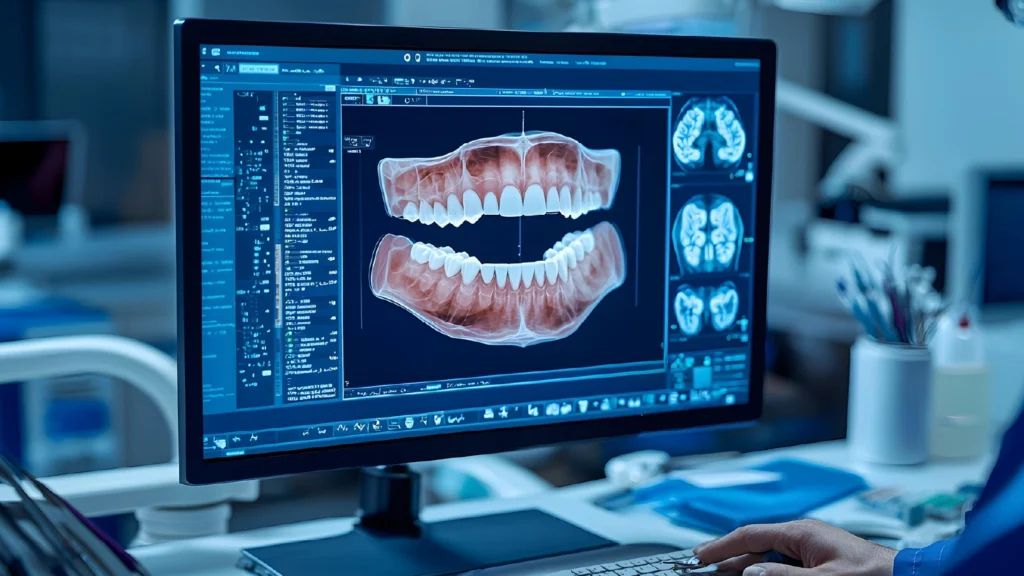
Digital photos, videos, and mouth scans help the team see your smile in relation to your face.
Planning may look at:
- Tooth length and width
- Smile line
- Gum display
- Lip movement
- Tooth position
- Facial proportions
- Shape preferences
- Desired brightness
- Natural versus glamorous aesthetics
Learn more about Digital Smile Design and natural-looking veneer planning.
3. Smile preview or proposed design
You may get to see a digital design, a model, or a temporary preview.
This helps you, the dentist, and the lab technician talk about shape and style before the final veneers are made.
A digital preview is a planning tool. It is not a promise that the result will match exactly.
4. Tooth preparation when required
Some ceramic veneer cases need a small, careful removal of enamel. This makes room for the veneer so it does not look bulky.
The amount depends on:
- Tooth position
- Existing tooth volume
- Veneer thickness
- Ceramic selection
- Desired shape
- Existing fillings
- The patient’s bite
Keeping enamel matters. Ceramic veneers bond better when enough enamel remains. Research links careful prep and saved enamel with better results.
So be careful with big promises like “zero prep” or “no tooth shaving for anyone.”
5. Fabrication of the ceramic veneers
Each ceramic veneer is made to match your approved plan.
Digital tools can help with scanning, design, and production. One study of over 1,000 lithium disilicate veneers found good results with a fully digital CAD/CAM process.
The lab may customize:
- Shape
- Surface texture
- Translucency
- Shade
- Incisal characteristics
- Light reflection
- Individual variations between teeth
The goal is not just identical white teeth. A natural smile has small differences in texture, shape, and translucency.
6. Evaluation and bonding
Before final bonding, the dentist checks:
- Fit
- Shape
- Shade
- Contact between teeth
- Relationship with the gums
- Smile harmony
- Bite
Once approved, the veneers are bonded with a method that suits the ceramic and your teeth.
Long-term studies show that well-planned, well-bonded porcelain veneers last a long time. They also show that enamel, prep, bite, and bonding method all affect results.
7. Final adjustments and instructions
The dentist may adjust your bite. You will get tips on cleaning, food, and follow-up.
Ask when the clinic wants to check your veneers before you fly home.
Explore the clinic’s porcelain veneer treatment in Cali.
What to Expect from the Composite Veneer Process
Composite veneers are made by applying tooth-colored resin directly to the front of selected teeth.
This often takes fewer steps. The dentist shapes the resin right on your teeth, so no lab pieces are needed.
1. Clinical examination
The dentist checks if composite resin is right for the change you want.
Composite veneers may help with:
- Tooth shape
- Small chips
- Minor spaces
- Uneven edges
- Selected discoloration
- Conservative aesthetic modifications
2. Shade and smile planning
The dentist talks with you about the shape and color you want.
Photos and digital planning still help, even though the resin is shaped by hand.
The goal is to set a clear design plan first, not to decide each tooth during the procedure.
3. Surface preparation and bonding
The tooth surface is prepared for your case. Then the composite is bonded in layers.
Some cases need very little shaping. Others need more to get the right size and avoid a bulky look.
4. Direct sculpting
The dentist builds and sculpts the resin into the planned tooth shape.
This step needs careful control of:
- Tooth proportions
- Contact areas
- Surface anatomy
- Edge design
- Shade transitions
- Symmetry
- Relationship with the gums
5. Finishing and polishing
The veneers are shaped and polished. This makes them smooth and helps them reflect light naturally.
Composite may need polishing now and then. Over time, it can lose its shine or pick up stains.
6. Bite evaluation and care instructions
The dentist checks your bite for spots that take too much force.
You should get advice about:
- Oral hygiene
- Staining habits
- Hard foods
- Teeth grinding
- Professional maintenance
- What to do if a small area chips
Learn more about composite veneer treatment.
Ceramic vs. Composite Veneers: How the Treatment Journey Differs
| Treatment stage | Ceramic veneers | Composite veneers |
|---|---|---|
| Initial examination | Required | Required |
| Digital smile planning | Frequently incorporated | May also be incorporated |
| Fabrication | Individual ceramic restorations are created | Resin is generally sculpted directly |
| Laboratory or digital production | Usually part of the workflow | Usually not required for direct veneers |
| Temporary restorations | May be necessary depending on preparation | Usually not required in the same way |
| Final placement | Ceramic pieces are evaluated and bonded | Material is applied, shaped and polished |
| Repairs | Significant damage may require replacement | Selected damage may be repaired directly |
| Maintenance | Hygiene and professional evaluation | Hygiene, evaluation and periodic polishing |
This table explains differences in the treatment process. Want to know how long each option usually lasts? Read our guide on how long veneers last.
How Long Should an International Patient Stay in Cali?
There is no single trip length that fits every patient.
Your schedule can depend on:
- Ceramic or composite treatment
- Number of teeth
- Need for preparation
- Fabrication process
- Additional gum or restorative treatment
- Temporary restorations
- Required adjustments
- The patient’s response to treatment
Do not buy nonrefundable flights based only on a general estimate online.
The safest order is:
- Contact the clinic.
- Provide the requested preliminary information.
- Receive an initial orientation.
- Understand that the final plan requires an in-person examination.
- Request a personalized estimated schedule.
- Leave reasonable time for adjustments before returning home.
Read our complete guide to planning a dental trip to Cali, Colombia.
What Can Change the Treatment Plan After You Arrive?
Your plan may change if the exam finds something photos did not show.
Possible findings:
- Cavities
- Gum inflammation
- Gum recession
- Cracked or weakened teeth
- Large existing fillings
- Root canal-treated teeth
- Bite problems
- Bruxism
- Insufficient enamel
- Old veneers or crowns requiring replacement
- A need for orthodontic or gum treatment
A good dental team will explain why the plan changed. They will go over your options before starting.
You should understand:
- Which teeth will be treated
- Why the procedure is recommended
- Which material will be used
- Whether tooth preparation is needed
- What maintenance may be expected
- What limitations apply to the treatment
- What other options are available
Questions to Ask Before Traveling
Before you confirm your trip, ask our patient team:
- What photographs and records should I send?
- Can my treatment be confirmed before an in-person examination?
- What may change after I arrive?
- How many clinical stages may be required?
- Should I leave extra time for adjustments?
- Who will supervise my treatment?
- How is the smile design approved?
- What type of temporary restoration may be needed?
- What follow-up is recommended after I return home?
- Who should I contact if I have a concern?
Clear communication matters even more when you and the clinic are in different countries.
Not Sure Which Veneer Process Fits Your Case?
You do not need to choose ceramic or composite before you contact us.
Share your smile goals, travel dates, and dental records. A patient coordinator will contact you. We will explain the first evaluation and what we need before you plan your visit to Cali.
This booking form is for our clinic in Cali, Colombia. It asks when you are ready for treatment and when you can visit in person.
Preparing to Return Home
Before leaving Colombia, confirm:
- Your final care instructions
- Foods or habits to avoid temporarily
- Recommended hygiene products
- When you can resume normal activities
- Whether a protective night guard is recommended
- When to schedule your next dental examination
- How to contact the clinic
- What symptoms require attention
- Whether photographs or virtual follow-up may be useful
You still need regular dental care with veneers.
Your natural teeth, veneer edges, and gums can still get sick. Keep seeing your local dentist for checkups when you get home.
See the Veneer Planning Process on Instagram
See How a Smile Transformation Is Planned
Veneers are about more than picking a white shade. Digital records, face analysis, the right material, and good communication all shape the final plan.
Social media can help you see the process and explore smile styles. But every case needs its own exam. Another patient’s result is not a promise of the same outcome.
Follow Dr. Mario Montoya on Instagram
Frequently Asked Questions
Can my veneer treatment be fully confirmed online?
No. An online talk and your records are a good start. But the final plan comes after an in-person exam of your teeth, gums, bite, and old dental work.
Are composite veneers always completed faster?
Usually they take fewer steps than ceramic veneers. But time still depends on the number of teeth, the case, your oral health, and any extra treatment.
Can I choose my veneer shade before traveling?
You can share what you like before you travel. But the final shade should suit your teeth, skin tone, face, lips, and the material. Shade is part of the full smile design.
Will ceramic veneers require temporary restorations?
You may need temporary veneers while the final ones are being made, if your teeth were prepared. It depends on your treatment plan.
Do all ceramic veneer cases require tooth shaving?
No. Every patient is different. The amount of enamel removed depends on tooth position, space, veneer thickness, the look you want, and your tooth structure.
Can veneers replace missing teeth?
No. Veneers cover the front of teeth you already have. Missing teeth may need another treatment, such as dental implants or a bridge, after an exam.
What happens if the dentist recommends a different material?
The dentist should explain why, plus the pros, cons, options, and upkeep. You should understand and approve the new plan before treatment starts.
Plan Your Veneer Treatment in Cali, Colombia
Ceramic and composite veneers follow different steps. But both start the same way: with a personal evaluation.
Before you book your trip, know your material, treatment steps, schedule, possible changes, and aftercare.
You do not need to know which veneer you need before you arrive.
Request a consultation for our Cali, Colombia clinic. A patient coordinator will contact you to learn about your goals, collect your information, and explain the next steps.
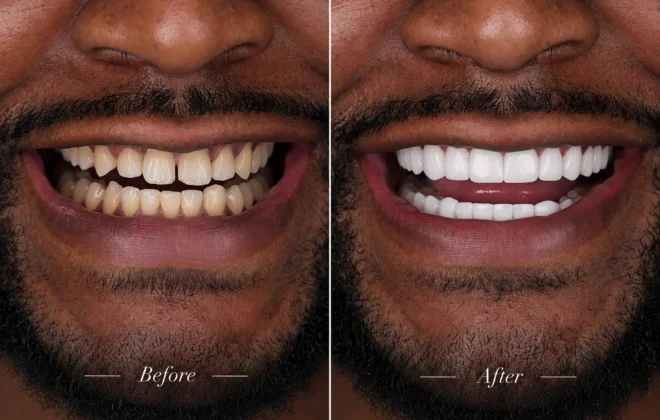
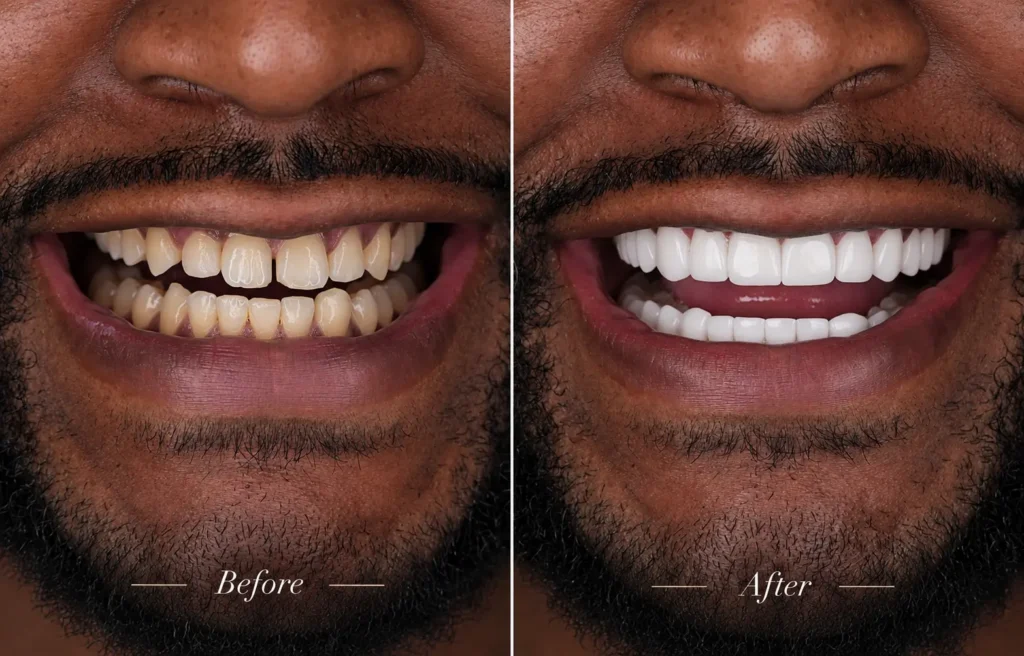
You can also review the clinic’s before-and-after smile transformations to explore different smile styles. Each result is unique and does not guarantee the same outcome for every patient.
This article provides general educational information and does not replace an individual dental or medical evaluation.