

How Long Do Veneers Last – Smiles By Mario Montoya
How Long Do Veneers Last?
A confident smile is more than just an aesthetic upgrade — it’s an investment in how you look, feel, and present yourself to the world. One of the most common questions patients ask before starting a smile transformation is: how long do veneers last?
At Smiles by Mario Montoya, we believe in transparency, education, and long-term results. In this article, we’ll explain how long veneers realistically last, what factors affect their durability, and how you can protect your new smile for years to come.
What Are Dental Veneers?
Dental veneers are thin, custom-made shells designed to cover the front surface of teeth. They are used to improve the appearance of teeth that are discolored, chipped, worn down, misaligned, or uneven.
Veneers are carefully bonded to the tooth structure, creating a natural-looking, durable, and aesthetically pleasing result when properly planned and placed.
Average Lifespan of Veneers
The lifespan of veneers depends largely on the material used and how well they are cared for.
• Porcelain veneers: typically last 10 to 15 years, and in many cases 20 years or more with proper care.
• Composite veneers: usually last 5 to 7 years.
Porcelain veneers are more resistant to staining, wear, and fractures, which is why they are commonly recommended for long-term smile makeovers at Smiles by Mario Montoya.
Types of Veneers and Their Durability
Porcelain Veneers
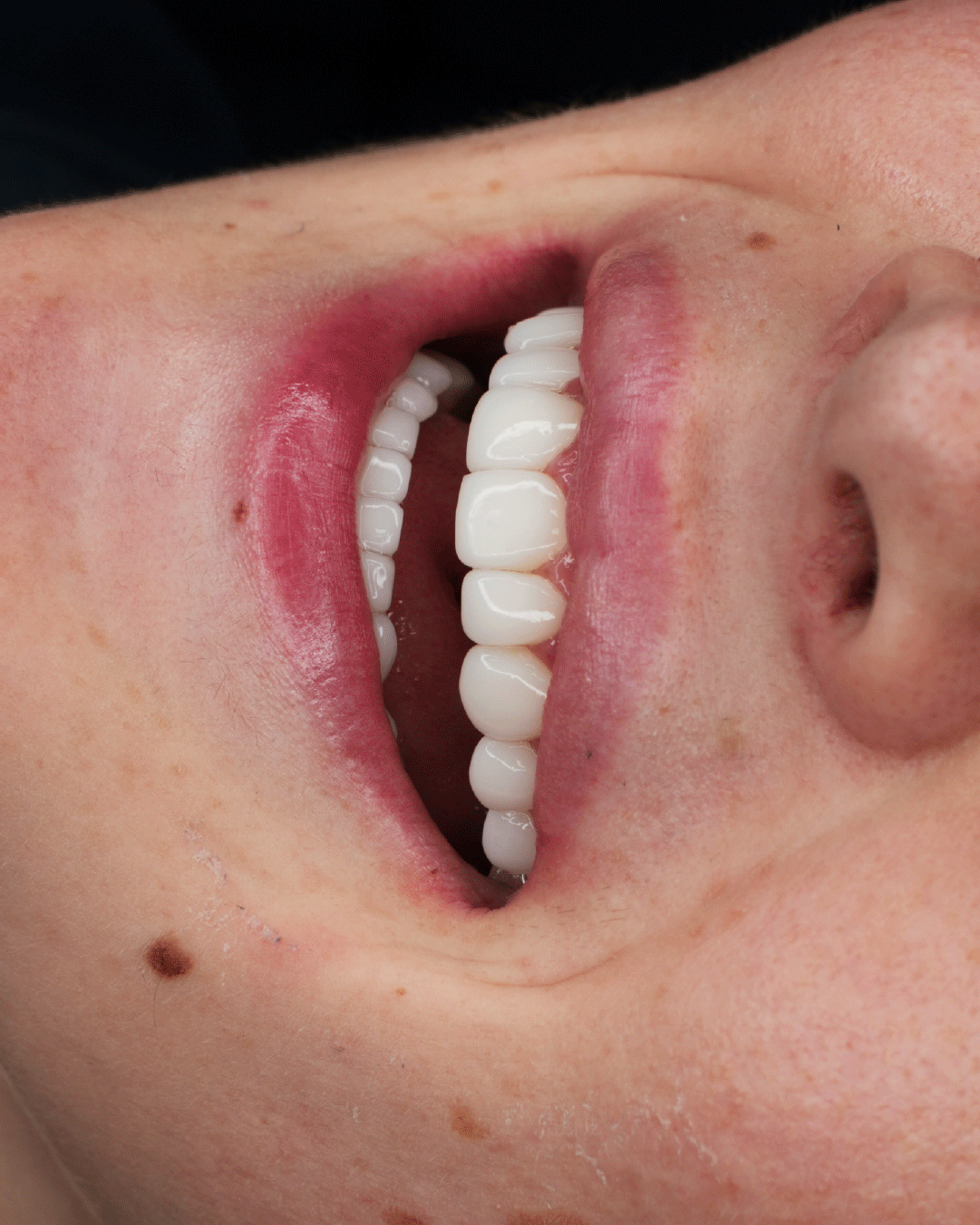
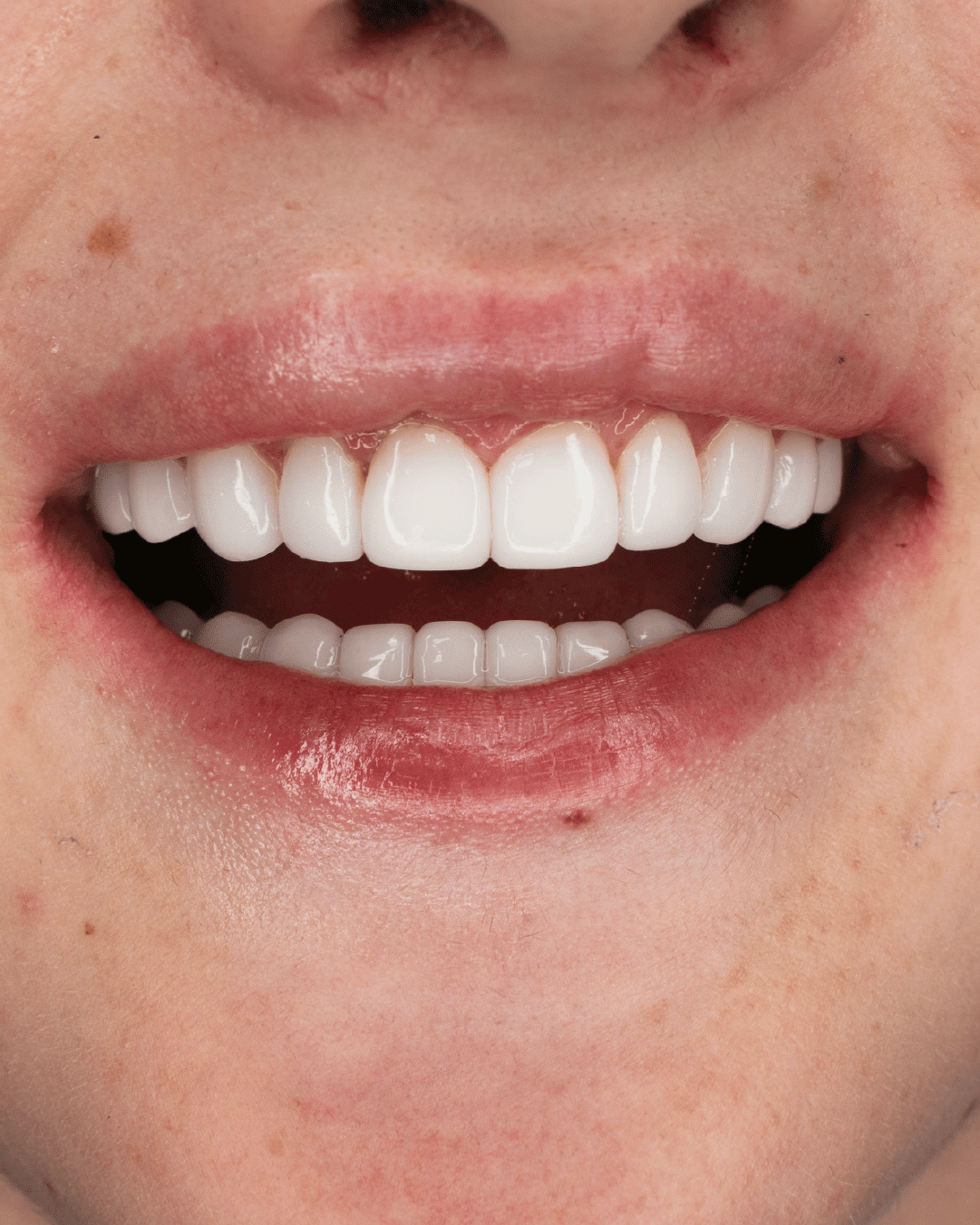
Porcelain veneers are known for their strength and natural appearance. They closely mimic the way natural teeth reflect light and maintain their color over time.
Benefits include:
- High resistance to stains
- Long-term durability
- Natural and lifelike aesthetics









What Factors Affect How Long Veneers Last?
Several factors influence the lifespan of veneers:
Oral Hygiene
Consistent brushing, flossing, and professional cleanings are essential to protect both your veneers and the natural teeth underneath.
Bite and Teeth Grinding (Bruxism)
Patients who clench or grind their teeth may place extra stress on veneers. In these cases, a custom night guard is often recommended.
Diet and Daily Habits
Frequently biting hard objects (ice, pens, fingernails) or consuming excessive staining substances like coffee, wine, or tobacco can reduce the lifespan of veneers.
Quality of Materials and Placement
The experience of the dentist, precision of placement, and quality of materials used play a critical role in how long veneers last. Proper planning and bonding techniques are essential.
Can Veneers Last a Lifetime?
Veneers are not considered permanent in the sense that they will never need replacement. However, with excellent care and professional maintenance, many patients enjoy their veneers for decades. In most cases, veneers are replaced due to aesthetic updates rather than functional failure.
How to Make Your Veneers Last Longer
To maximize the lifespan of your veneers, we recommend:
-Brushing twice a day with a non-abrasive toothpaste
-Flossing daily
-Avoiding biting hard objects
-Wearing a night guard if recommended
-Scheduling regular dental checkups and professional cleanings
These habits help preserve both your veneers and your overall oral health.
Signs That Veneers May Need Replacement
Over time, veneers may show signs that indicate replacement is needed, such as:
-Chips or cracks.
-Gum recession exposing veneer edges.
-Discoloration around the margins.
-Changes in bite or discomfort.
A professional evaluation can determine whether repair or replacement is necessary.
Why Quality Matters When Choosing Veneers
Not all veneers are the same. Long-lasting results depend on personalized smile design, high-quality materials, and expert execution. At Smiles by Mario Montoya, every veneer case is planned with precision, ensuring harmony between function, aesthetics, and durability.
Why Patients Trust Smiles by Mario Montoya
Patients choose Smiles by Mario Montoya because of our commitment to:
-Natural-looking smile design.
-High-quality porcelain materials.
-Personalized treatment planning.
-Long-term results and patient education.