
What Is Digital Smile Design? A Smarter Way to Plan Natural-Looking Veneers
A beautiful smile should not look copied, oversized or disconnected from the person wearing it.
The most successful smile transformations consider much more than tooth color. They evaluate facial structure, lips, gums, tooth proportions, bite, personality and the way the smile moves naturally.
This is where Digital Smile Design becomes an important part of modern cosmetic dentistry.
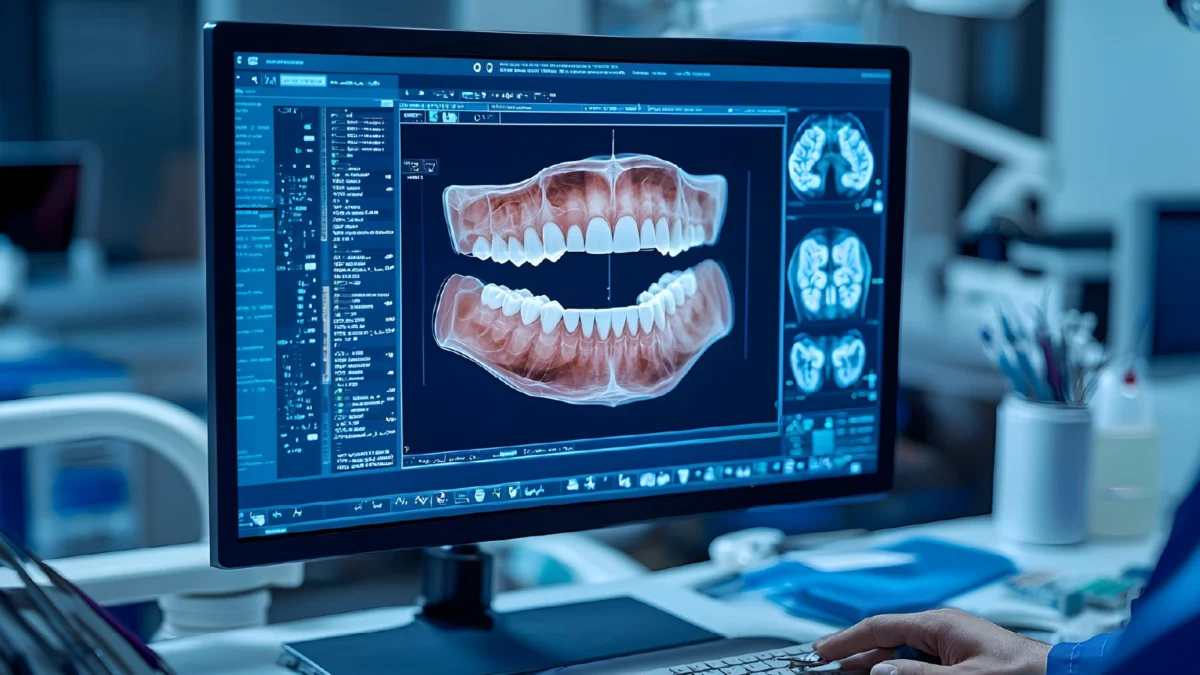
By combining clinical evaluation with photographs, digital scans and detailed planning, dentists can create a more personalized vision of a patient’s future smile before beginning the final treatment.
For international patients considering a smile makeover in Colombia, digital planning can also make the treatment process easier to understand and discuss.
What Is Digital Smile Design?
Digital Smile Design is a planning approach used in cosmetic and restorative dentistry to analyze a patient’s smile in relation to their face.
Instead of focusing only on individual teeth, the dentist studies how different elements work together, including:
- Facial proportions
- Lip movement
- Gum symmetry
- Tooth shape and size
- Smile line
- Tooth position
- Bite and oral health
- The patient’s aesthetic expectations
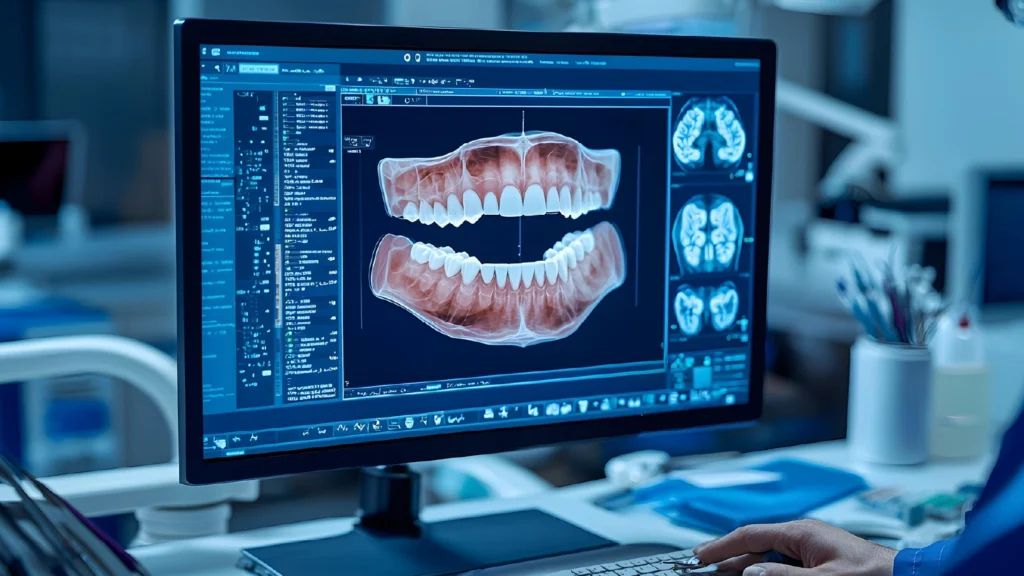
Photographs, videos, digital impressions and specialized software may be used to organize this information and plan possible treatment options.
Research describes Digital Smile Design as a useful tool for visualization, communication and treatment planning in aesthetic dentistry. It can help patients participate more actively in decisions about their smile. Learn more about Digital Smile Design research through PubMed.
How Does the Digital Smile Design Process Work?
The exact process varies according to each patient and treatment, but it generally includes several important stages.
1. Clinical evaluation
Before discussing shapes or shades, the dental team must evaluate the health of the teeth, gums and bite.
Digital technology does not replace a professional examination. It supports the dentist by providing additional information for planning.
If cavities, gum inflammation, damaged teeth or functional problems are identified, they may need to be treated before beginning a cosmetic procedure.
2. Photographs and digital records
The dental team may collect facial photographs, smile photographs, videos, X-rays, digital scans or other diagnostic records.
These materials allow the dentist to study the smile from different perspectives rather than relying on a single front-facing image.
3. Facial and smile analysis
During this stage, the dentist evaluates how the teeth relate to the lips, gums and facial features.
Small details can make a major visual difference. The position of the smile line, the amount of gum displayed and the proportions between neighboring teeth all influence whether the final result looks natural.
4. Smile planning
Based on the clinical findings and the patient’s goals, the dental team develops a proposed smile design.
The objective is not necessarily to create perfectly identical teeth. Natural smiles usually include subtle variations in shape, texture and translucency.
5. Treatment selection
Digital planning helps determine which treatment—or combination of treatments—is more appropriate.
Depending on the patient’s needs, the plan could include:
- Porcelain veneers
- Opulent Smile
- Composite veneers
- All on 4 implants
- Gum contouring
- Teeth whitening
- Dental implants
- Restorative treatment
- Full-mouth rehabilitation
Not every patient needs veneers, and not every aesthetic concern should be treated in the same way.
How Digital Planning Helps Create Natural-Looking Veneers
Veneers should complement the patient’s face rather than dominate it.
Digital planning allows the dental team to evaluate several design decisions before producing the final restorations.
Tooth proportions
Teeth that are too long, too wide or completely identical can make a smile look artificial.
The right proportions depend on the patient’s facial structure, existing teeth, gum line and overall smile.
Tooth shade
The brightest shade is not always the most natural choice.
Skin tone, age, lip color and personal style can influence which level of brightness feels harmonious.
Shape and personality
Some smiles look softer and more rounded, while others have stronger or more defined contours.
The design should reflect the patient’s features and preferences instead of applying the same shape to every person.
Texture and translucency
Natural teeth are not completely flat or opaque. They contain subtle surface texture, color variations and translucency.
These details can help high-quality porcelain restorations reflect light in a more realistic way.
Gum symmetry
The gums frame the smile.
When the gum line is uneven or covers too much of the tooth, the dentist may evaluate whether gum contouring should be included in the treatment plan.
Can You Preview Your Smile Before Treatment?
Digital planning may help patients better visualize a proposed transformation through digital simulations, models or temporary previews.
However, a digital image should be considered a communication and planning tool—not an absolute guarantee of an identical final result.
Clinical conditions, natural tooth structure, gum health, bite and material limitations must still be considered.
A responsible consultation should explain both the possibilities and the limitations of treatment.
Who May Benefit from Digital Smile Design?
Digital planning may be especially useful for patients considering:
- Porcelain or composite veneers
- A complete smile makeover
- Multiple cosmetic procedures
- Gum contouring
- Replacement of old restorations
- Full-mouth rehabilitation
- Treatment involving several dental specialists
It can also be valuable for patients who are unsure how to communicate what they want.
Instead of simply requesting “white teeth” or a “perfect smile,” the patient and dental team can discuss specific visual references, proportions and realistic treatment goals.
Are Veneers Right for Everyone?
No.
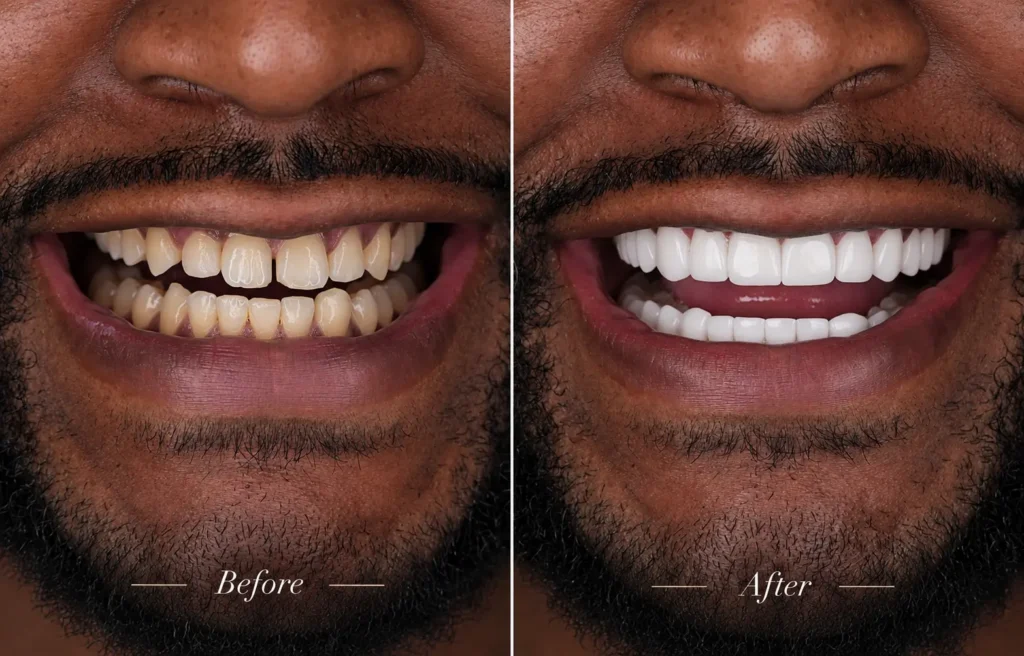
Veneers are thin restorations designed to cover the front surface of selected teeth. They may help improve the appearance of chipped, stained, misshapen or mildly misaligned teeth.
However, veneers are not the correct solution for every dental condition.
The American Dental Association explains that veneer treatment is generally irreversible and should only be performed after a professional evaluation by a licensed dentist. Read the American Dental Association’s guide to veneers.
Patients with active gum disease, untreated decay, significant bite problems or insufficient healthy tooth structure may require another treatment or additional care first.
Why Experience and Communication Still Matter
Technology can improve planning, but it does not replace clinical judgment, artistic sensitivity or communication with the patient.
A successful smile transformation depends on the coordination between the dentist, specialists, dental technicians and the patient.
At Smiles by Mario Montoya, every smile begins with an individual evaluation. The goal is to understand your oral health, expectations and aesthetic preferences before recommending a treatment.
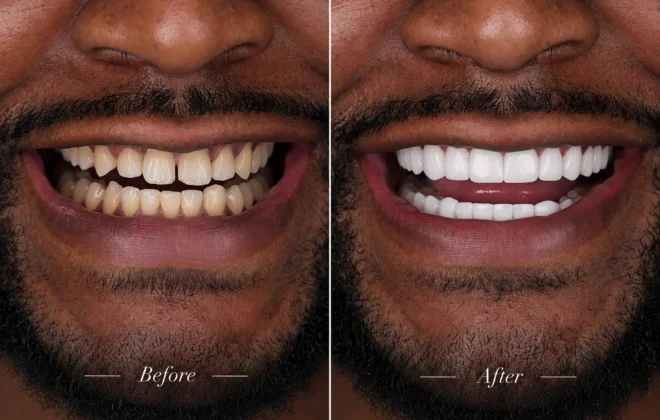
You can also explore our before-and-after cases and patient transformations to understand the range of smile designs created for different facial features and personal styles.
Start Planning Your Smile Transformation
You do not need to know exactly which treatment you need before contacting our team.
The first step is to tell us what you would like to improve and allow our patient coordination team to guide you through the evaluation process.
Request your consultation for our Cali, Colombia clinic. A member of our team will contact you to learn more about your goals, answer your initial questions and explain the next steps.
Every patient is different. Treatment recommendations can only be made after an appropriate dental evaluation.
Related Articles